
Як орендувати житло в Нідерландах (гайд 2026)
Повний гайд з оренди в Нідерландах: правило доходу 3-4х, через яке відхиляють більшість заявок, де шукати, які документи потрібні, як подати заявку так, щоб її хоча б відкрили, та всі додаткові витрати.
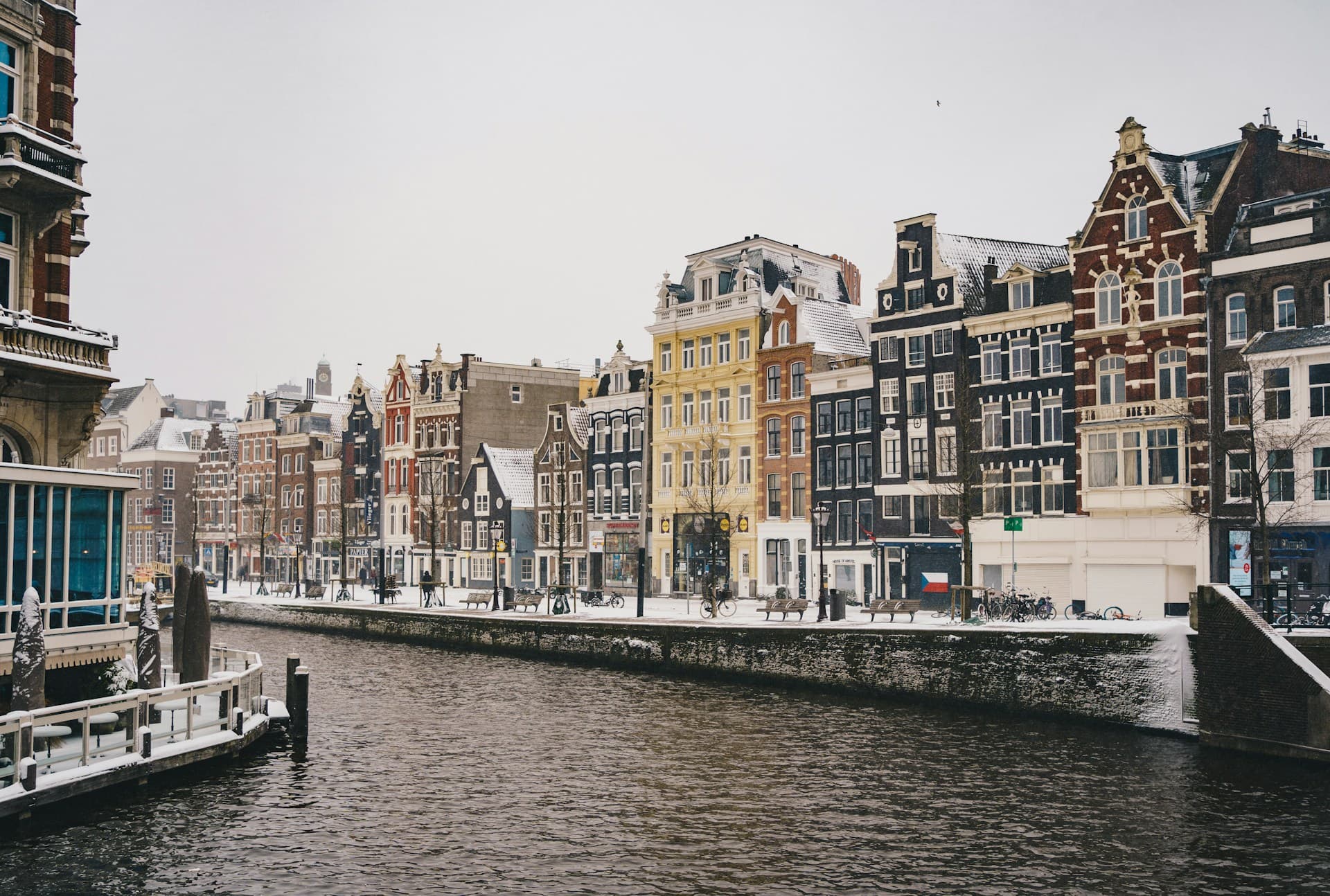
Як орендувати житло в Нідерландах
Більшість заявок на оренду в Нідерландах відхиляють автоматично - ще до того, як їх побачить людина. Причина: жорсткий фільтр за доходом, який відсіює кожного, хто заробляє менше ніж у 3-4 рази більше за суму оренди.
Якщо не знати про це правило наперед, можна тижнями надсилати заявки, які ніхто навіть не відкриє. У цьому гайді - як працює нідерландський ринок оренди, де шукати, які документи підготувати і як справді отримати житло, а не просто розсилати заявки надарма.
Головне правило: на нідерландському ринку оренди виграють ті, хто подає заявку найшвидше - але тільки якщо ви вже відповідаєте вимогам. Треба і підходити за доходом, і подавати її швидко. Одне без іншого не працює.
Що в цьому гайді: як обробляються заявки і чому вам не відповідають. Правила доходу, через які відсіюють більшість. Повна інструкція від бюджету й реєстрації до захисту прав та уникнення шахрайства.
Як працює ринок оренди в Нідерландах
Соціальне житло та приватна оренда
У Нідерландах два абсолютно різних ринки оренди.
Соціальне житло - це регульована оренда до €880/міс (ліміт 2025 року), яку розподіляють через woningcorporaties з чергами на роки. Якщо ви щойно переїхали - на це не варто сподіватися.
Приватна оренда - саме тут шукає більшість. Ціни ринкові, конкуренція шалена, орендодавці вибагливі - особливо в Рандстаді. Саме тут найбільше проблем.
Приватна оренда працює як відбір серед відповідних кандидатів, де перемагає найшвидший.
Ось як це відбувається на практиці:
- Перший фільтр: дохід і тип контракту - автоматична відмова, якщо ваш дохід не відповідає вимозі
- Другий фільтр: час - після 15-30 заявок від відповідних кандидатів заявки вже не приймають
- Третій фільтр: надійність - з тих, хто пройшов, орендодавець обирає найнадійнішого
Якщо простіше: підходите, але подали заявку на дві години пізніше - вас не побачать. Подали заявку швидко, але ваш дохід не відповідає вимогам - автоматична відмова. Важливо і те, й інше.
Ціни на оренду в Нідерландах (2026)
Орієнтовні цінові діапазони:
| Місто | Студія | 1 спальня | 2 спальні |
|---|---|---|---|
| Амстердам | €1,200 - €1,750 | €1,650 - €2,400 | €2,200 - €3,200 |
| Роттердам | €950 - €1,300 | €1,200 - €1,700 | €1,700 - €2,400 |
| Утрехт | €1,050 - €1,450 | €1,350 - €2,000 | €1,900 - €2,800 |
| Ейндговен | €900 - €1,200 | €1,150 - €1,600 | €1,600 - €2,300 |
Ціни включають сервісні збори (servicekosten), але не газ, воду та світло, якщо не зазначено інше.
Це ціни в оголошеннях - а не те, що реально доступне кожному. Різниця між "бачу оголошення" і "можу подати заявку" більша, ніж здається.
Де шукати житло в Нідерландах
Більшість шукає на одних і тих самих сайтах. Це нормально. Помилка - думати, що всі вони працюють однаково.
Основні платформи
Funda та Pararius - головні майданчики для приватної оренди. HousingAnywhere більше орієнтований на експатів. Kamernet - переважно кімнати. Facebook Marketplace - будьте обережні, шахрайства чимало.
Міські лотереї
Деякі міста проводять loting - розіграші квартир середньої цінової категорії. Подати заявку можна, але на швидкий результат не розраховуйте.
Платформи для експатів
Eхpatica Housing та IamEхpat Housing розраховані на новоприбулих. Ціни вищі, але процес може бути зрозумілішим. Деякі роботодавці надають доступ до оголошень через релокаційні сервіси.
Агрегатори та сервіси сповіщень
Замість того щоб вручну перевіряти Funda, Pararius, Kamernet і десятки інших сайтів, застосунки-агрегатори збирають оголошення з різних джерел в одному місці.
Findify збирає оголошення з платформ і агентств по всій країні та надсилає push-сповіщення миттєво після появи нового оголошення. Це дозволяє подати заявку одразу після появи оголошення - без переходів між сайтами, заповнення форм вручну та зайвих дій. Побачили відповідне житло - подайте заявку серед перших, поки інші ще відкривають оголошення.
Чому це важливо: агенти часто припиняють розглядати заявки після 20-30 відповідних кандидатів - іноді це відбувається за кілька годин. Потрапити до першої хвилі - це різниця між "розглянули" і "ніхто не відкривав".
Важливо розуміти: жоден сервіс сповіщень не зробить невідповідного кандидата відповідним. Але серед тих, хто проходить за доходом, швидкі отримують увагу, а повільні залишаються непоміченими.
Різниця в ціні та швидкості: Basic коштує €19.99/міс - дешевше за Rentbird (€29) і Stekkies (€29.95) - і дає змогу подати заявку в один клік. У тарифі Pro за €34.99/міс заявки на оголошення, що відповідають вашим критеріям, можуть подаватися автоматично протягом кількох секунд на підтримуваних сайтах, де ви ввімкнули автоподання, навіть поки ви працюєте.
Місцеві агенти (Makelaars)
Частина оголошень взагалі не з'являється у відкритому доступі - ними займаються агенти напряму. Комісія - зазвичай місячна оренда, але натомість пошук відбувається швидше. Агенти працюють безпосередньо з орендодавцями й часто знають про квартири ще до того, як вони потраплять на сайти.
Порада: поєднуйте сповіщення Findify з місцевим makelaar для максимального охоплення. Findify миттєво відстежує все на публічних платформах, а агент може запропонувати варіанти, які ніколи не потраплять в інтернет.
Вимоги до доходу для оренди в Нідерландах
Правило 3-4х від зарплати брутто
Більшість приватних орендодавців вимагають, щоб ваш місячний дохід брутто перевищував суму оренди у 3-4 рази.
Якщо не проходите - заявку зазвичай відхиляють автоматично, часто ще до того, як хтось взагалі подивиться на ваші документи. Чистий дохід (нетто) майже ніколи не враховують - дивляться саме на брутто.
| Оренда на місяць | Необхідний дохід брутто |
|---|---|
| €1,200 | €3,600 - €4,800 |
| €1,500 | €4,500 - €6,000 |
| €2,000 | €6,000 - €8,000 |
Поширена помилка: багато хто шукає житло, яке може собі дозволити за відчуттями, але не проходить за формальною вимогою 3-4х. Якщо вам взагалі не відповідають - найімовірніше, справа саме в цьому.
Проходити за доходом - ще не означає отримати квартиру
Пройти фільтр за доходом - це лише допуск до конкурсу. У популярних містах цю планку долають десятки людей на кожне оголошення.
Далі починається порівняння кандидатів. Агенти обирають того, кого орендодавець вважає найнадійнішим.
На цьому ринку не перемагають "достатньо хороші". Перемагають ті, в кому орендодавець бачить мінімум ризиків.
Безстроковий контракт vs. тимчасовий: чому це вирішує
Два кандидати з однаковою зарплатою не завжди мають рівні шанси в очах орендодавця.
Безстроковий контракт (vast contract) - це головний козир в очах орендодавця. Тимчасовий контракт чи фріланс вважають ризикованими, навіть якщо ви заробляєте більше.
На практиці це означає: людина з меншою зарплатою, але зі стабільною роботою, часто отримує квартиру замість того, хто заробляє більше.
Чому більшість заявок ніхто не читає
Багато хто думає, що заявки розглядають уважно, одну за одною. Насправді агенти розглядають одразу всі разом.
Як це зазвичай відбувається:
- Оголошення з'являється
- За першу добу надходить 50+ заявок
- Агент фільтрує за доходом/контрактом (проходять 20-30)
- Агент переглядає перші 15-20 заявок від відповідних кандидатів
- Перестають приймати заявки - решту ніхто не відкриє
Реальність така: у вас може бути ідеальний дохід, безстроковий контракт і чудові рекомендації - але якщо ви 35-й у черзі, ваші документи просто не відкриють.
Парадокс швидкості: швидкість не допоможе, якщо ви не відповідаєте вимогам. Але якщо відповідаєте - заявка в першу годину визначає, потрапите ви до відбору чи ні.
Саме тому миттєві сповіщення мають значення - не тому що вони допоможуть невідповідному кандидату, а тому що навіть відповідного кандидата без швидкості просто не помітять.
На практиці потрапити до першої двадцятки відповідних кандидатів важливіше, ніж ідеальний супровідний лист.
Перегляд - це ще не гарантія
Запрошення на перегляд здається прогресом, але це не означає, що квартира майже ваша.
У популярних містах на перегляд приходять 10-20 кандидатів, які всі відповідають базовим вимогам. Рішення ухвалюють потім. Онлайн-перегляди теж бувають, але особиста присутність на групових переглядах допомагає виділитися.
Відсутність відповіді після перегляду - це нормально. Не сприймайте на свій рахунок.
Бачите оголошення - не означає, що ви справді можете на нього розраховувати
Більшість заявок навіть не відкривають.
Можна побачити оголошення, закохатися в квартиру й навіть відповідати за бюджетом - але не мати реальних шансів через правила доходу, тип контракту, конкуренцію чи час подання.
Якщо зрозуміти це від самого початку, шукати стає спокійніше - і менше розчарувань.
Документи для оренди в Нідерландах
Підготовлені документи не гарантують успіх, але заощаджують час, коли рахується кожна хвилина.
Зазвичай орендодавці просять:
- Закордонний паспорт або ID ЄС
- Підтвердження доходу: останні три зарплатні відомості або трудовий контракт
- Банківські виписки за останні три місяці
- Рекомендаційний лист від попереднього орендодавця (якщо є)
- Посвідка на проживання (для громадян не з ЄС)
- BSN (burgerservicenummer) або підтвердження подання заяви на BSN
Зберіть усе в один PDF заздалегідь - коли з'явиться відповідний варіант, зможете подати заявку одразу.
Як подати заявку на оренду
До подання
-
Перевірте бюджет за правилом 3-4х. Якщо ваш дохід брутто €4,000, реальна стеля оренди - €1,000-€1,333. Не витрачайте час на оголошення, де вас відхилять автоматично.
-
Шукайте там, де у вас більше шансів. Менші міста (Гарлем, Делфт, Лейден) або райони за межами центру - конкуренція помітно нижча.
-
Підготуйте PDF-досьє з усіма документами, щоб у потрібний момент не витрачати час на збирання.
-
Налаштуйте миттєві сповіщення. Налаштуйте Findify з точними критеріями (ціновий діапазон під ваш дохід, потрібні райони, тип житла). Це дозволяє не лише бачити відповідні оголошення одразу, а й подавати заявки без зайвої ручної роботи. Мета - потрапити до перших двадцяти відповідних кандидатів.
Під час подання
-
Подавайте заявки якнайшвидше після появи відповідного оголошення. Увімкніть push-сповіщення, щоб нічого не пропустити.
-
Приходьте на перегляди вчасно - краще раніше. Будьте ввічливі, покажіть зацікавленість, але без нав'язливості.
-
Напишіть протягом години після перегляду - додайте повне досьє й коротке повідомлення про те, чому ви надійний орендар (стабільний дохід, безстроковий контракт, без перерв в оренді).
-
Будьте готові заплатити одразу - стандарт: депозит у розмірі місячної оренди плюс оренда за перший місяць.
Після подання
Відсутність відповіді - це нормально. Зазвичай це нічого не говорить ні про вас, ні про вашу заявку. Агенти рідко надсилають відмови - просто рухаються далі з обраним кандидатом.
Майте на увазі: на більшість заявок взагалі не відповідають. Це особливість ринку, а не оцінка вас як кандидата.
Договори оренди та права орендаря
Типи договорів
Безстроковий договір (vast contract) дає повний захист. Оренда може зростати лише раз на рік у межах законних лімітів (зазвичай прив'язаних до інфляції). Виселити орендаря без підстав не можна.
Строковий договір (максимум 24 місяці) - менше захисту. Продовження не гарантоване. Повідомлення про виїзд - за один-три місяці до закінчення. Такі контракти часто дають експатам.
Студентський договір - прив'язаний до статусу студента.
Бальна система та контроль оренди (Huurpunten)
У Нідерландах є бальна система woningwaarderingsstelsel (WWS), яка визначає максимально дозволену оренду:
- До 143 балів включно - соціальне житло (обмежений доступ, вимоги щодо доходу)
- 144-186 балів - середній сегмент з обмеженням орендної плати
- Від 187 балів - вільний сектор без обмеження орендної плати
Якщо підозрюєте, що оренда завищена порівняно з балами вашої квартири, можна оскаржити її через Huurcommissie (Орендний трибунал) протягом шести місяців після підписання. Процедура безкоштовна і часто успішна.
Докладніше про бальну систему: Як працює WWS
Реєстрація за адресою (Inschrijving)
Ви зобов'язані зареєструватися за місцем проживання в місцевому муніципалітеті (gemeente) протягом п'яти днів після заселення. Без цього не отримати доступ до медицини, банківських послуг та інших базових речей.
Без реєстрації можуть постраждати:
- Податковий статус і соціальні виплати
- Імміграційний статус (для громадян не з ЄС)
- Медичне страхування
- Отримання DigiD (цифрового ID для державних послуг)
Деякі орендодавці незаконно відмовляють у реєстрації. Це тривожний сигнал - часто означає нелегальну суборенду.
Реальні витрати окрім оренди
Оренда - лише частина витрат на житло. Рахуйте реалістично:
| Витрата | Зазвичай на місяць |
|---|---|
| Комунальні послуги (газ, електрика, вода) | €150 - €275 |
| Інтернет і ТВ | €40 - €60 |
| Муніципальні податки (gemeentelijke belastingen) | €30 - €50 |
| Страхування майна (inboedelverzekering) | €10 - €20 |
| Сервісні збори (якщо не включені в оренду) | €25 - €100 |
Загальні витрати на житло в Амстердамі для новоприбулих зазвичай становлять €2,000 - €3,200/міс із усім включеним.
Підключити інтернет зазвичай просто. Затримки частіше пов'язані з документами (потрібен BSN), а не з технікою. Оптоволокно широко доступне, швидкості до 1 Гбіт/с.
Як уникнути шахрайства при оренді
Не кожне сумнівне оголошення виглядає як відверте шахрайство.
Ознаки шахрайства
- Тиск заплатити депозит до підписання перевіреного договору
- Оренда значно нижча за ринкову
- Орендодавець відмовляється зустрічатися особисто чи по відео
- Фото скопійовані з інших оголошень (перевіряйте через пошук за зображеннями)
- Ухильні відповіді щодо права реєстрації
- Прохання переказати гроші за кордон
Критично важливо: ніколи не переказуйте гроші до підписання перевіреного договору й отримання ключів. Використовуйте зареєстрованого агента або ескроу-сервіс для великих депозитів.
Як перевірити
- Перевірте право власності орендодавця в Kadaster (нідерландський реєстр нерухомості)
- Наполягайте на особистій зустрічі або відеодзвінку
- Довіряйте інтуїції - якщо щось здається підозрілим або вас квапять, відмовляйтеся
Тимчасове та альтернативне житло
Якщо потрібна гнучкість або поки що не знайшли постійний варіант:
Сервісні апартаменти (serviced apartments) - повністю мебльоване житло на гнучких умовах, але дорожче (€1,500 - €3,000/міс).
Антисквот (antikraak) - дуже низька оренда (€200 - €400/міс) за проживання в будівлях, що чекають на перебудову. Мінус: можуть попросити виїхати з коротким повідомленням (часто 4-8 тижнів).
Хаусботи - унікальний нідерландський досвід. Переконайтеся, що є дозвіл на стоянку, і перевірте опалення/утеплення.
Студентські житлові корпорації - SSH, DUWO, Student Hotel обслуговують студентів та молодих фахівців у великих містах.
Переїзд: реєстрація, комунальні послуги, перші кроки
Коли знайшли житло:
Перший тиждень
- Зареєструйтеся в gemeente протягом 5 днів. Із собою: договір оренди, паспорт, лист-дозвіл від орендодавця.
- Замовте DigiD - цифровий ID для державних послуг, банків і податків.
- Підключіть комунальні послуги, якщо вони не включені. Для порівняння тарифів: Gaslicht.com або Independer.nl.
- Підключіть інтернет - Ziggo, KPN, T-Mobile пропонують оптоволокно/кабель із підключенням за 1-2 тижні.
Перший місяць
- Оновіть адресу в банку, у роботодавця та в IND (якщо у вас віза).
- Оформіть страхування майна (inboedelverzekering) - не обов'язкове за законом, але дуже рекомендоване (€10-€20/міс).
- Розберіться з вивезенням сміття - у більшості муніципалітетів є застосунки з графіком збирання різних видів відходів.
Перевірте договір
- Прочитайте договір уважно до підписання. Зверніть увагу на:
- Термін дії та умови продовження
- Строк повідомлення про виїзд
- Що включено в оренду (комунальні послуги, сервісні збори, меблі)
- Обов'язки щодо ремонту
- Правила суборенди та гостей
Стратегія пошуку без зайвих нервів
Більшість людей вимотуються, бо сприймають відмови й тишу на свій рахунок. Але ринок так працює з усіма.
Більш реалістичний підхід
Перевірте бюджет за правилом 3-4х із самого початку. Не витрачайте час на заявки, які автоматично відхилять. Це найбільша втрата часу.
Шукайте там, де у вас більше шансів. Менші міста (Гарлем, Делфт, Лейден) або райони за межами центру - конкуренція помітно нижча.
Тримайте документи напоготові. Коли з'явиться відповідний варіант, зможете подати заявку одразу, без метушні.
Налаштуйте сповіщення тільки на свій діапазон. Якщо дохід брутто €4,500, ставте у Findify діапазон €1,000-€1,500 - а не квартири за €2,000, на які шансів немає.
Звикніть до тиші. Відсутність відповідей - це не про вас, так працює ринок.
Обмежте час на пошук. Постійно оновлювати сторінки - найлегший спосіб вимотати себе. Перевіряйте вранці й увечері, а не щодесять хвилин.
Подумайте про тимчасове житло на старті. Шукати зсередини Нідерландів зазвичай ефективніше, ніж із-за кордону - можна ходити на перегляди особисто.
Порядок дій: спершу порахуйте, на що ви проходите (дохід ÷ 3 або 4 = ваша стеля оренди). Потім налаштуйте сповіщення тільки на цей діапазон. Більшість робить навпаки - дивиться, що подобається, подає заявки на все підряд і тижнями не отримує жодної відповіді.
Підсумки
Ринок оренди в Нідерландах у 2026 році працює так: орендодавці перестраховуються, заявки обробляють масово, а зворотного зв'язку майже нема.
Більшість розчарувань від пошуку - через нерозуміння кількох ключових правил:
- Фільтр за доходом - потрібно 3-4х від оренди в зарплаті брутто, інакше автоматична відмова
- Тип контракту - безстроковий контракт перемагає тимчасовий навіть за нижчої зарплати
- Пакетна обробка - агенти переглядають перших 15-20 відповідних кандидатів і закривають форму
- Відсутність зворотного зв'язку - тиша у відповідь це норма, а не виняток
Два факти, які спрощують усе:
- Якщо ви не відповідаєте вимогам (дохід 3-4х, стабільний контракт) - швидкість не врятує
- Якщо проходите - повільна заявка = автоматична непомітність
Коли ці правила зрозумілі, процес стає передбачуваним. Ви перестаєте витрачати сили на оголошення, де шансів не було.
Почніть пошук правильно
Спробуйте Findify безкоштовно 3 дні - отримуйте миттєві сповіщення з Funda, Pararius, Kamernet і сотень інших джерел. У тарифі Basic ви перевіряєте оголошення й подаєте заявку в один клік. У тарифі Pro відповідні заявки можуть подаватися автоматично протягом кількох секунд на підтримуваних сайтах, де ви ввімкнули автоподання.
Basic: €19.99/міс за миттєві сповіщення й подання заявки в один клік. Pro: €34.99/міс за автоматичне подання протягом кількох секунд на підтримуваних сайтах, де ви ввімкнули автоподання. Обидва тарифи можна безкоштовно спробувати протягом 3 днів.
Ринок складний, але знайти житло тут реально. Тепер ви знаєте, як він працює - і можете діяти швидко, коли швидкість справді все вирішує.
 Почніть безкоштовний пробний період